Invited Sessions 2026
Expert Perspectives on AI, Engineering & the Future of Healthcare
The Invited Sessions of IEEE SIME 2026 bring together leading clinicians, engineers and researchers for two thematic blocks of expert talks exploring how artificial intelligence and biomedical engineering are reshaping clinical practice and the future of healthcare delivery. Each session features three 20‑minute presentations followed by an open discussion with the audience.
Intelligent Technologies Transforming Clinical Practice
AI‑Driven Diagnostics: From Clinical Decision Support to Autonomous Detection Systems
Abstract
The integration of artificial intelligence in healthcare is rapidly moving beyond traditional Clinical Decision Support Systems (CDSS) toward highly capable, autonomous diagnostic systems. This presentation explores the technical and operational realities of this transition. We examine how modern vision-language models and adaptive algorithms process complex, multi-modal clinical data in real time, moving past the limitations of early, single-task tools. While the diagnostic accuracy of these advanced systems increasingly aligns with expert baselines, real-world deployment presents practical challenges. This session addresses these hurdles directly, focusing on engineering strategies to mitigate algorithmic drift, manage model hallucinations in high-stakes clinical environments, and establish robust data governance. Finally, we outline a practical framework for integrating autonomous diagnostics into standard hospital workflows. By balancing the immediate necessity of “clinician-in-the-loop” oversight with the clear trajectory toward independent diagnostic pipelines, attendees will gain a realistic perspective on how next-generation AI architectures are reshaping clinical precision, workflow efficiency, and patient care.
Speaker Biography
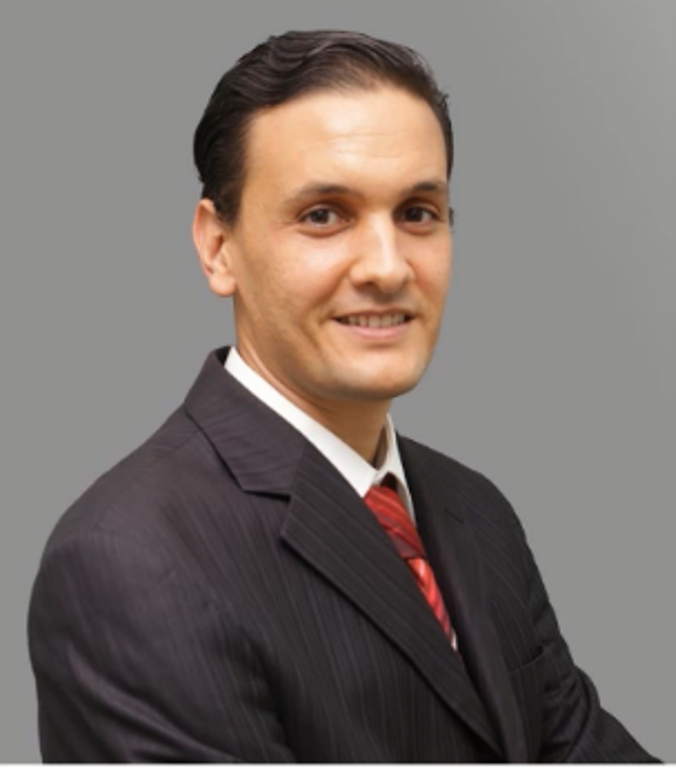
Maher Maoua is a Professor in medicine and the Head of the Department of Occupational Medicine and Professional Pathology at Sahloul University Hospital in Sousse, Tunisia. He currently serves as Vice-Dean and Director of Studies at the Faculty of Medicine of Sousse. He also directed the LR19SP03 research laboratory, focusing on preventing non-communicable diseases in the workplace. A specialist in occupational health, his expertise extends to artificial intelligence in healthcare, data science, and digital medical pedagogy. Professor Maoua is involved in several national projects integrating AI into healthcare, higher education and research.
Intelligent Technologies Transforming Clinical Practice
Smart Biosensors and Wearable Platforms for Real‑Time Patient Monitoring
Abstract
Critical care is undergoing a profound digital transformation driven by smart biosensors, wearable technologies, artificial intelligence (AI), and the Internet of Medical Things (IoMT). While intensive care units continuously generate vast quantities of physiological data, much of this information remains fragmented across bedside devices, limiting its clinical value for early detection of deterioration and personalized decision-making. This presentation introduces SYNAPSE-ICU (SYNchronized Analytics for Predictive and Smart Environments in the ICU), an innovative platform designed to synchronize high-frequency data from mechanical ventilators, physiological monitors, infusion pumps, wearable biosensors, and environmental sensors with the electronic medical record in real time. Beyond conventional physiological monitoring, the platform captures contextual information including mobility, sleep patterns, ambient noise, light exposure, family interactions, and healthcare workflow, creating a comprehensive multimodal representation of the patient’s clinical trajectory. The synchronized data ecosystem provides the foundation for advanced AI and machine learning models capable of predicting complications such as delirium, ventilator-associated pneumonia, central line-associated bloodstream infections, and early physiological deterioration. The platform is also designed to extend monitoring before and beyond the ICU, supporting continuity of care in emergency departments, hospital wards, and post-ICU discharge environments. The presentation will discuss the system architecture, interoperability standards (HL7 FHIR and IEEE 11073), wearable sensing technologies, implementation challenges, ethical considerations, and opportunities for scalable deployment. SYNAPSE-ICU illustrates how intelligent biosensors and integrated digital platforms can transform critical care from reactive treatment toward predictive, proactive, and personalized medicine while remaining adaptable to both high-resource and resource-constrained healthcare systems.
Speaker Biography
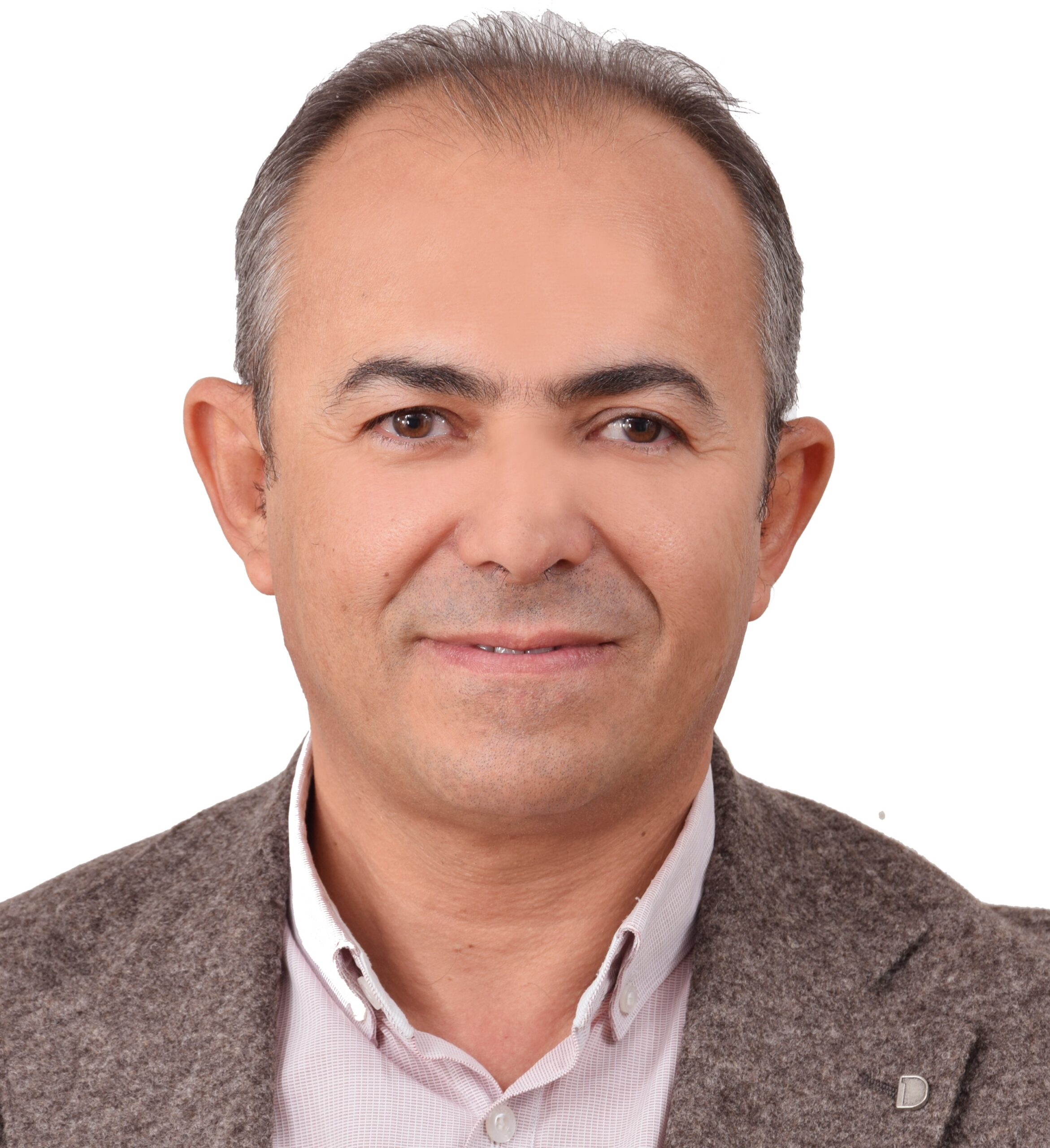
Professor Mohamed Boussarsar, MD, PhD, is Professor of Intensive Care Medicine at the Faculty of Medicine of Sousse, University of Sousse, Tunisia, and Head of the Medical Intensive Care Unit at Farhat Hached University Hospital. His research focuses on acute respiratory failure, mechanical ventilation, digital health, and artificial intelligence for precision critical care. He leads the SYNAPSE-ICU initiative, an interdisciplinary project integrating high-frequency bedside devices, wearable sensors, Internet of Medical Things (IoMT) technologies, and electronic medical records to enable predictive, proactive, and personalized intensive care. During the COVID-19 pandemic, he coordinated the development of locally engineered ventilators and high-flow nasal oxygen systems. In 2023, he established Tunisia’s first postgraduate program dedicated to artificial intelligence in healthcare and founded the Medical Artificial Intelligence Association (MAiA). Professor Boussarsar serves on the editorial boards and as reviewer for several leading international journals in intensive care and respiratory medicine.
Intelligent Technologies Transforming Clinical Practice
Artificial Intelligence in Pediatric Intensive Care: From Monitoring to Prediction

Abstract
Artificial intelligence (AI) is increasingly transforming pediatric intensive care by enabling improved interpretation of complex clinical data and supporting timely clinical decision-making. The growing availability of continuous monitoring, electronic health records, laboratory data, and imaging facilitates a transition from reactive management to predictive and personalized care. This presentation reviews key AI applications in the PICU, including intelligent monitoring, early detection of clinical deterioration, and prediction of sepsis, respiratory failure, and other adverse events, as well as decision-support for ventilation, hemodynamic management, and resource allocation. It highlights challenges related to data quality, ethics, and clinical deployment. finally it discusses future directions for integrating AI into PICU workflows, emphasizing the need for validated, and clinician-centered tools that improve patient outcomes while supporting clinical expertise.
Speaker Biography
Farah Thabet is Professor in Pediatrics and Pediatric Critical Care at the University School of Medicine in Monastir, Tunisia, where she heads the Pediatric Intensive Care Unit (PICU) at Monastir University Hospital. She previously served as Consultant Pediatric Intensivist and Head of the Pediatric Respiratory Care Service at PSMMC, Riyadh, Saudi Arabia. She is a Board Member of the Tunisian Pediatric Society and a member of the WFPICCS Research and Education Committees, and currently serves as Editor-in-Chief of the Revue Maghrébine de Pédiatrie. Pr Thabet has authored more than 50 PubMed-indexed research papers.
🗣️ Open Discussion
Engineering the Future of Therapeutics and Healthcare Systems
Artificial Intelligence in Assisted Reproductive Technology: From Innovation to Clinical Practice

Abstract
The project consists in the detection of successful Embryos for IVF to increase the probability of pregnancy. We use Convolutional Neural Networks and other Classification and computer vision models, trained on the medical data provided by EVE Fertility and then converted into pre-trained models for quick analysis through a local web interface on new images. Data is manually classified for training and modified for feature rich detection on deployment. We use several techniques for manipulation, to both ensure patient anonymity and image conformity to the standard we have set. These techniques range from dataset isolation and randomisation and image flipping, grey-scale, blur and zoom, respectively. History is stored through a database to keep up the data that has been seen, this is envisioned for future self training on the models and is also currently used to verify the models’ accuracy.
Speaker Biographies
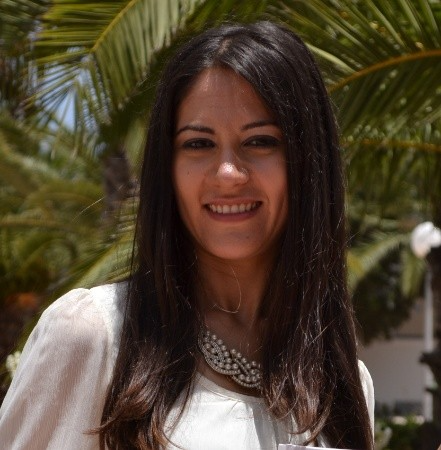
Ines Zidi Jrah is a Medical Doctor specialized in Histology-Embryology, with over 10 years of experience spanning teaching, clinical practice, and laboratory management in embryology. She currently serves as Laboratory Director and Co-Founder of EVE Fertility Concorde Clinic in Sousse, Tunisia, a position she has held since 2020. After completing her Doctorate in Medicine and a Master’s degree in Genetics and Biodiversity, she worked as an Embryologist at Hammersmith Hospital, Imperial College London, United Kingdom, before returning to Tunisia as Assistant Professor at Fattouma Bourguiba University Teaching Hospital and Lecturer at the Faculty of Medicine of Monastir. Dr Zidi Jrah is a member of the organising and scientific committee of the International Congress of Genetics and Fertility in Sousse, Tunisia, and a member of the scientific committee of the ATME (Association Tunisienne des Médecins Embryologistes).
Anas Dhifallah is an AI engineering student and audio engineer, currently in his third year of specialization in Artificial Intelligence at Pristini School of AI. He previously served as CEO of MHM Marketing Agency. Over the course of his studies, he has worked on a range of projects spanning website development, full desktop application builds, and server infrastructure setup, including servers designed for AI workloads. He recently won a hackathon with a project closely related to the one he will present at IEEE SIME 2026 — sperm detection in IVF — and has also contributed to the development of an AI-powered artificial heart, currently still in progress. He looks forward to sharing more on this work at the event in November and to learning from the speakers and attendees there.
Engineering the Future of Therapeutics and Healthcare Systems
Genomics in the Era of AI: Promise and Peril
Abstract
The rapid convergence of genomics and artificial intelligence is reshaping the landscape of modern medicine. AI-driven tools now enable unprecedented capabilities in variant interpretation, predictive modeling, multi-omics integration, and clinical decision support. These innovations hold immense promise for accelerating diagnosis, improving therapeutic selection, and enabling truly personalized care. Yet, alongside these advances, significant risks emerge. The same algorithms that empower clinicians can also be repurposed for harmful dual-use applications. In particular, the massive volumes of genomic data generated by modern sequencing platforms raise additional security concerns. Moreover, the increasing reliance on opaque AI systems raises concerns regarding transparency and ethical governance. In this presentation, we explore both sides of this technological transformation: the breakthroughs that are redefining genomic medicine, and the vulnerabilities that demand urgent attention. Through real-world examples from clinical practice and laboratory operations, we highlight how AI can enhance diagnostic accuracy, streamline workflows, and expand access to genomic testing. At the same time, we examine critical challenges related to data protection and responsible governance.
Speaker Biography
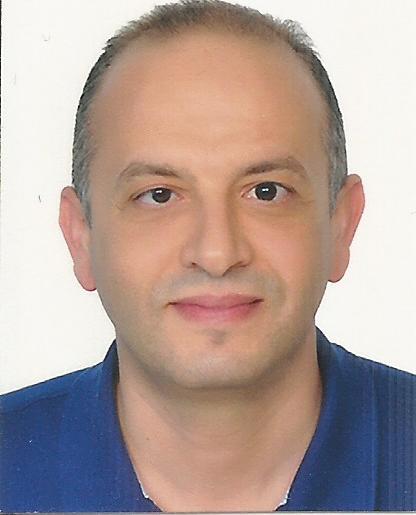
Dr. Hatem Elghezal is a former Associate Professor in Histology and Embryology at the Genetics Laboratory of Farhat Hached Hospital in Sousse, Tunisia. He previously served as Director of the Cytogenetics and Molecular Genetics Laboratory at Prince Sultan Military Medical City in Riyadh, Saudi Arabia. He is currently the Medical Director of Genoscale Dubai and acts as a consultant for numerous genetics laboratories in Tunisia and abroad. His expertise spans cytogenetics, molecular diagnostics, genomics, and laboratory transformation, with a strong focus on implementing advanced technologies and international standards. Dr. Elghezal has contributed to the development of genetic services across multiple institutions and continues to support innovation in clinical genomics and precision medicine in Tunisia and African countries.
Engineering the Future of Therapeutics and Healthcare Systems
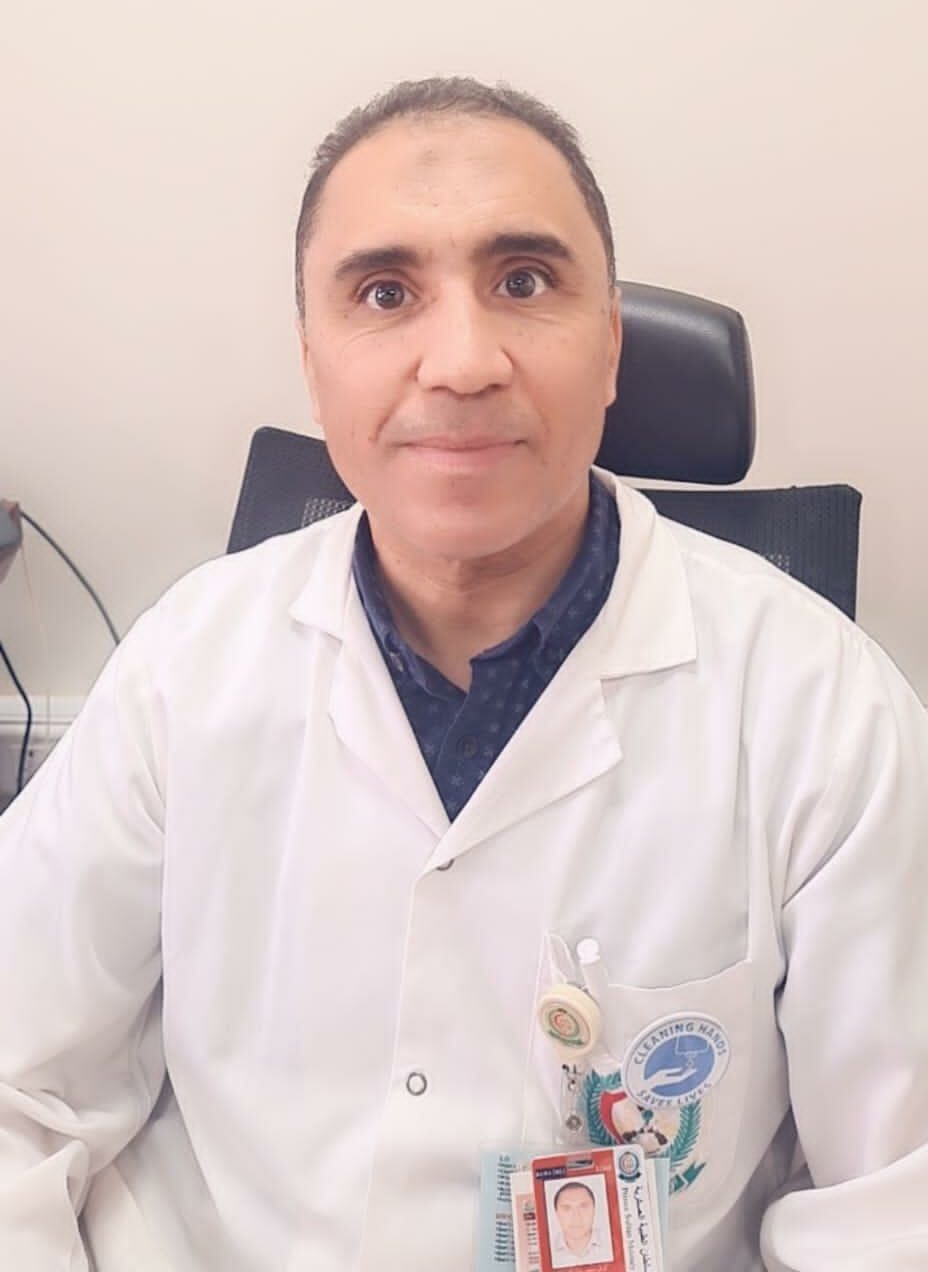
AI‑Powered Infectious Diseases and Infection Control: A New Era in Healthcare
Abstract
Artificial intelligence (AI) is rapidly transforming the landscape of infectious diseases (ID) diagnosis and infection prevention and control (IPC). This presentation explores how AI-driven tools can enhance clinical decision making, strengthen hospital safety, and support global preparedness. In the diagnostic arena, AI enables earlier and more accurate identification of complex, atypical, and rare infections by integrating clinical data, imaging, microbiology, genomics, and real time epidemiological signals. These systems assist ID physicians in recognizing subtle patterns, reducing diagnostic delays, and improving outcomes in challenging cases. Within healthcare facilities, AI offers powerful applications for IPC, including automated surveillance of healthcare associated infections, early detection of transmission clusters, optimization of environmental hygiene, and prediction of high risk patients or procedures. By analyzing large volumes of operational and clinical data, AI can support proactive interventions and reduce preventable harm. At the population level, AI based forecasting models enhance the ability to predict endemic trends, detect early signals of emerging outbreaks, and anticipate pandemic trajectories. These tools strengthen public health readiness and guide resource allocation. Finally, AI plays a growing role in antimicrobial stewardship by supporting optimal antibiotic selection, identifying inappropriate prescribing, predicting resistance patterns, and integrating microbiological and pharmacological data to reduce antimicrobial resistance. This presentation will provide clinicians and IPC professionals with a comprehensive overview of how AI can augment infectious diseases practice, improve patient safety, and support strategic decision making across the continuum of care.
Speaker Biography
Dr Naoufel Kaabia, MD, CIC, is an Infectious Diseases and Infection Control Consultant with over 25 years of international experience. He is a Certified Associate Professor in Internal Medicine and Infectious Diseases at the Faculty of Medicine of Sousse, Tunisia, and has held the Certification in Infection Control (CIC) from the CBIC since 2016. He currently serves at the Infection Prevention and Control Center of Excellence at Prince Sultan Military Medical City in Riyadh, Saudi Arabia, where he leads initiatives in outbreak management, antimicrobial stewardship, and healthcare accreditation. Dr Kaabia has authored more than 40 peer-reviewed publications, with research interests centered on multidrug-resistant organisms, infection prevention strategies, and quality improvement in healthcare facilities.
🗣️ Open Discussion